
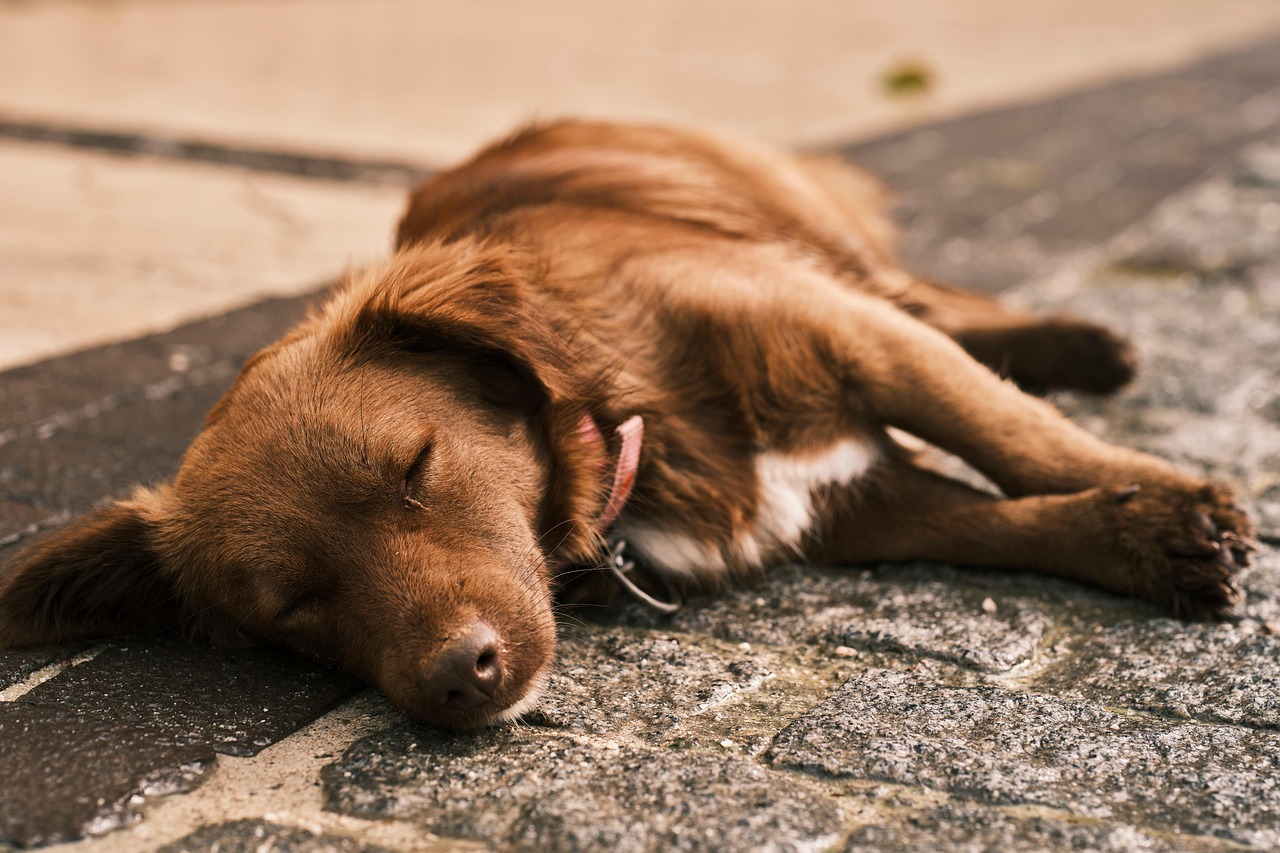
Dogs need a minimum of 1 ounce of water per pound of body weight daily, and summer heat can dramatically increase those needs. The 11 AM to 5 PM risk window is particularly dangerous for pet dehydration due to excessive heat.
Watching for subtle warning signs like unusual lethargy, loss of appetite, dry gums, sunken eyes, and reduced skin elasticity is important before dehydration becomes serious.
The skin tent test and gum check are two quick at-home tools every pet owner should know to catch dehydration early.
About 70% of your dog’s body is made up of water, and it is involved in every cellular process that keeps your pet alive and well. Water helps their body digest food, carries oxygen and nutrients through the bloodstream, regulates their body temperature, lubricates their joints, and flushes out waste through the kidneys.
When your dog does not get enough water, all those systems start to struggle, and even mild dehydration can cause noticeable symptoms. Dogs need a minimum of one ounce of water per pound of body weight per day to maintain daily functions.
Related: Common Mistakes Dog Owners Should Avoid
A 50-pound dog should be drinking fifty ounces — about six cups — every single day. Factors like raised temperatures, physical activity, and eating dry kibble can raise their hydration requirements.
Making sure each dog has their own accessible water source is a smart move, especially in the summer. It can be hard to track individual intake when multiple dogs share a bowl.
In comparison to other seasons, summer poses a unique challenge for dog owners. The heat can be unforgiving, and dehydration can set in quickly if not addressed promptly.
One of the first things you may notice is a change in energy — a dehydrated dog often becomes unusually lethargic or loses interest in food. Excessive panting is another early indicator.
Physical cues are just as telling, and running your finger along your dog’s gums can help assess their hydration levels. The skin tent test and gum check are two quick at-home checks that can help you assess your dog’s hydration.
Related: Best Practices In Ensuring Senior Pet Wellness
Keeping your furry canine friend hydrated is not much of a chore, but it goes well beyond just filling their bowl in the morning. Small, consistent habits throughout the day can make a significant difference.
Fresh water, moist foods, a pet fountain, timed walks, and cooling treats like watermelon, cucumber or bone broth popsicles all support daily hydration.
It’s also important to note that indoor dogs are not off the hook. Homes without air conditioning can reach high temperatures during heat waves, and fans do not cool dogs as well as they cool humans.
Dogs are covered with fur and sweat through their paws, not their skin, so fans are just not as effective at cooling them down. Overheating can still occur.
Even the most attentive pet parents can fall into habits that may work against keeping their pet hydrated, such as placing a single water bowl in one corner of the house or relying solely on dry kibble.
Related: Mother’s Day Magic: Gemstone Rings as a Precious Gift from the Heart
Water intoxication, or hyponatremia, can also be a problem when dogs drink too much too quickly, throwing off the body’s sodium balance. Dogs who swim or play in sprinklers are most at risk.
Dogs who swallow substantial amounts of saltwater, such as those swimming in the ocean, are also at risk of excessive salt consumption, which can cause serious symptoms. It’s essential to be aware of these risks and take steps to prevent them.
By taking these simple steps, you can help keep your dog hydrated and healthy all summer long. It’s not complicated, but it does require your attention.
They need your attention to stay healthy.


