
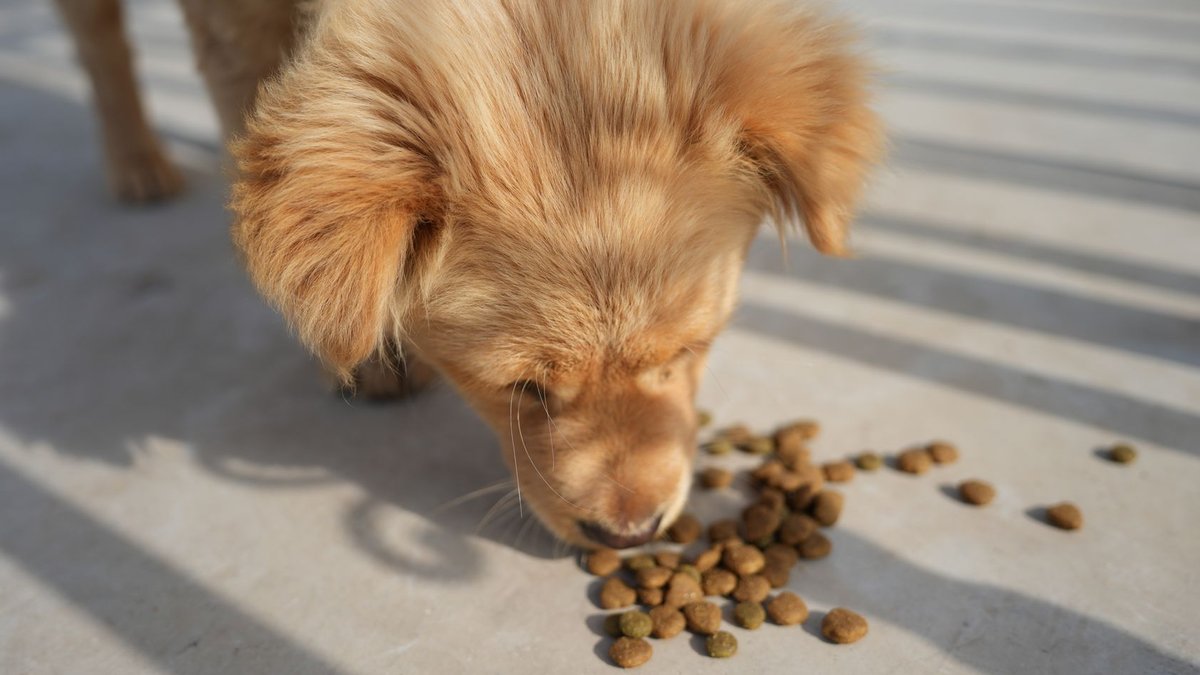
BioCraft Pet Nutrition has released what it describes as the first public safety dossier for an animal cell-cultured ingredient, sharing data on cancer risk, genetic safety, and chemical contaminants ahead of regulatory requirements.
The dossier, posted on bioRxiv, examines the company’s mouse embryonic stem cell line, PE25, used to produce cultured meat for pet food. It includes tests for tumorigenicity, genotoxicity, viral safety, and media compliance—details most manufacturers keep confidential.
Safety tests show no cancer risk or genetic damage
The report assesses whether PE25 cells could form tumors or cause genetic mutations. BioCraft conducted a soft agar assay to check if cells grow without surface attachment, a sign of cancer. It also evaluated the cells’ p53-mediated DNA damage response and screened for markers linked to abnormal cell behavior, such as CD44 and BMI1. Results confirmed PE25 is neither cancerous nor tumorigenic.
Related: FDA postpones food safety rule to 2026
Genotoxicity testing covered heavy metals, biogenic amines, and solvent residues in the finished ingredient. Standard assays checked for mutations, chromosome damage, and irregular cell division. The ingredient passed all tests, showing no mutagenic, clastogenic, or aneugenic effects.
Food safety consultant Dima Faour-Klingbeil, who collaborated with BioCraft on its hazard analysis plan, described the disclosure as a significant step for the industry. “Publishing detailed safety data and welcoming external review sets a strong example,” she said.
Pet food ingredients face no regulatory review in EU or UK
Cell-cultured ingredients for pet food operate under minimal oversight in Europe and the UK. According to the company, animal cell-cultured ingredients sold in the European Union and the UK are not subject to independent, ingredient-level safety review. Regulatory approval in those markets applies to the manufacturing facility rather than the ingredient itself, leaving safety testing and disclosure decisions to individual manufacturers. No industrywide standard currently defines what safety data a company should generate or release publicly, and no manufacturer is required to disclose that data.
BioCraft’s CEO, Shannon Falconer, said the company chose to disclose its full safety data ahead of any regulatory requirement to do so. “The precedent set by manufacturers of animal cell-cultured ingredients in these earliest days will shape whether veterinarians and pet parents can trust this entire category for years to come,” Falconer said.
Related: How to Make a Perfect App for Travellers
In the U.S. and Singapore, cell-cultured ingredients for human food have received approvals, but these apply only to specific products. Falconer noted that cell line type, culture media, and processing methods vary between manufacturers, meaning cell-cultured ingredients cannot be evaluated as a single uniform category.
BioCraft has proposed a minimum disclosure framework, the BioCraft Pet Nutrition Standard, for other manufacturers. The standard would require public release of data on cell line origin, growth media, and processing methods. Falconer said the aim is to initiate discussions about baseline testing requirements.
The dossier is available on bioRxiv under the title Safety Transparency in Animal Cell-Cultured Ingredients for Pet Food: A Case Study Establishing the Standard for Public Disclosure. The move could help set a precedent for proactive disclosure.


