
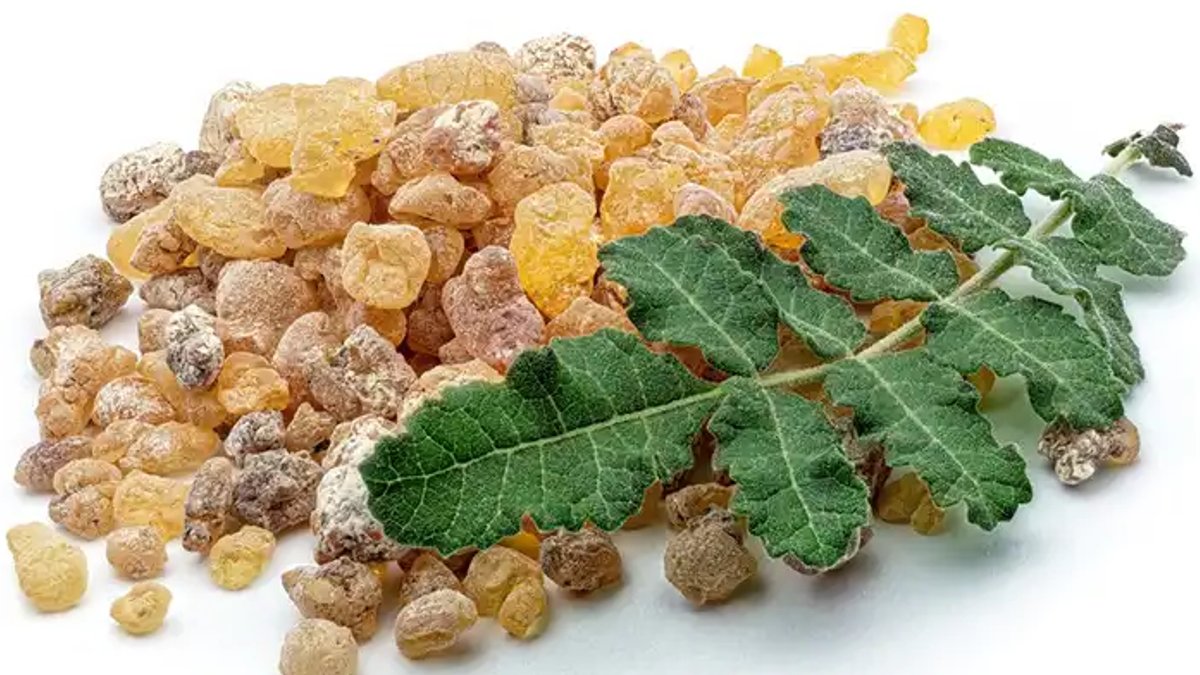
For centuries, traditional healers in India used the resin of the Boswellia serrata tree to ease swelling and pain. Modern veterinary research now suggests the same ancient plant—commonly called Indian frankincense—may help aging dogs with stiff, achy joints.
How Boswellia Works Differently Than Common Pain Relievers
Most over-the-counter pain medications for dogs, like NSAIDs, target the cyclooxygenase enzyme. Boswellia’s active compounds—boswellic acids, particularly AKBA—block the 5-lipoxygenase (5-LOX) enzyme instead. This enzyme produces leukotrienes, inflammatory chemicals that degrade joint tissue over time.
The difference is important. Since boswellia avoids the same pathway as NSAIDs, it can be combined with conventional treatments without overlapping effects. It also appears to protect cartilage by slowing the enzymes that break down collagen, providing both anti-inflammatory and tissue-supporting benefits.
Veterinarians who treat arthritic dogs find this dual action especially useful. The supplement doesn’t just relieve pain; it helps preserve joint health.
What the Research Actually Shows
A Swiss clinical trial gave 29 dogs with chronic joint and spine disease a standardized boswellia extract for six weeks. Within two weeks, 71% of the animals showed improvement. By the study’s end, researchers recorded meaningful reductions in lameness, localized pain, and stiffness.
Related: Study finds rare minerals in dog food
Later studies examined boswellia in multi-ingredient formulas. These combinations—such as those with undenatured type II collagen, curcumin, glucosamine, chondroitin, or omega-3s—consistently outperformed boswellia used alone.
Joint pain in dogs often involves multiple factors. Formulas that address inflammation, cartilage protection, and mobility from different angles tend to be more effective. Still, boswellia can help on its own, though it isn’t a quick solution. Most dogs show improvement within two weeks, while some may take up to six weeks to respond.
Safety, Side Effects, and What to Watch For
Boswellia has a strong safety record in dogs. The Swiss trial reported only brief, reversible digestive changes in a few animals, with just one case linked to the supplement. Long-term studies confirm that properly standardized extracts are well tolerated at recommended doses.
Side effects can still occur. Some dogs experience mild gastrointestinal upset, such as vomiting, diarrhea, or gas. A slight decrease in blood clotting times has also been noted. Allergic reactions, though rare, can develop even after weeks of use. Since sensitivities may emerge over time, monitoring is important throughout treatment.
The supplement should not be given with blood thinners like aspirin, warfarin, or heparin. It’s also not recommended for pregnant or nursing dogs, as safety hasn’t been established. A veterinarian should always be consulted before starting any new supplement, especially if the dog is already on medication.
Related: Boarding and Day Care Services Expanding
Dog-specific formulations are the best choice. Human supplements may contain inappropriate ingredients or dosages. Standardized extracts with guaranteed AKBA content provide more reliable results.
While most dogs tolerate boswellia well, it isn’t a replacement for veterinary care. A limping or painful dog needs a proper diagnosis first. The resin may become part of the solution, but it shouldn’t replace professional treatment.
For owners of older dogs, the appeal goes beyond the science. The dog who once hesitated before jumping off the couch now moves with less stiffness. Morning walks become easier. These small changes matter, even if they aren’t dramatic.
Boswellia fits into a larger approach to joint health. Weight management, moderate exercise, orthopedic bedding, and veterinary care all contribute. The resin is just one tool, but it’s one with a long history—and now, modern research to support its use in pet care innovations.


