
Many everyday actions can unintentionally stress a dog, and owners often overlook the subtle cues that signal discomfort. Understanding how common human habits affect canine anxiety helps prevent unnecessary tension and promotes a calmer household for both pets and people.
Common Behaviors That Raise a Dog’s Stress Level
Staring directly at a dog is often perceived as a threat. In canine body language, a fixed gaze signals confrontation, prompting a stress response. Similarly, pointing or shaking a finger at a pet can create confusion and unease, especially when combined with a stern tone.
Inconsistent verbal commands also cause distress. Dogs thrive on clear, single‑word cues such as “sit,” “stay,” or “off.” When owners use multiple phrases for the same action—like “drop it” and “leave it”—the animal may understand the intent but remain unsure of the exact expectation.
Physical restraint during hugs or kisses can be unsettling. Dogs do not interpret human affection the way people do; being held tightly can feel like a threat, especially if the hug comes from a stranger. A gentle pat or stroking is generally a safer way to show love.
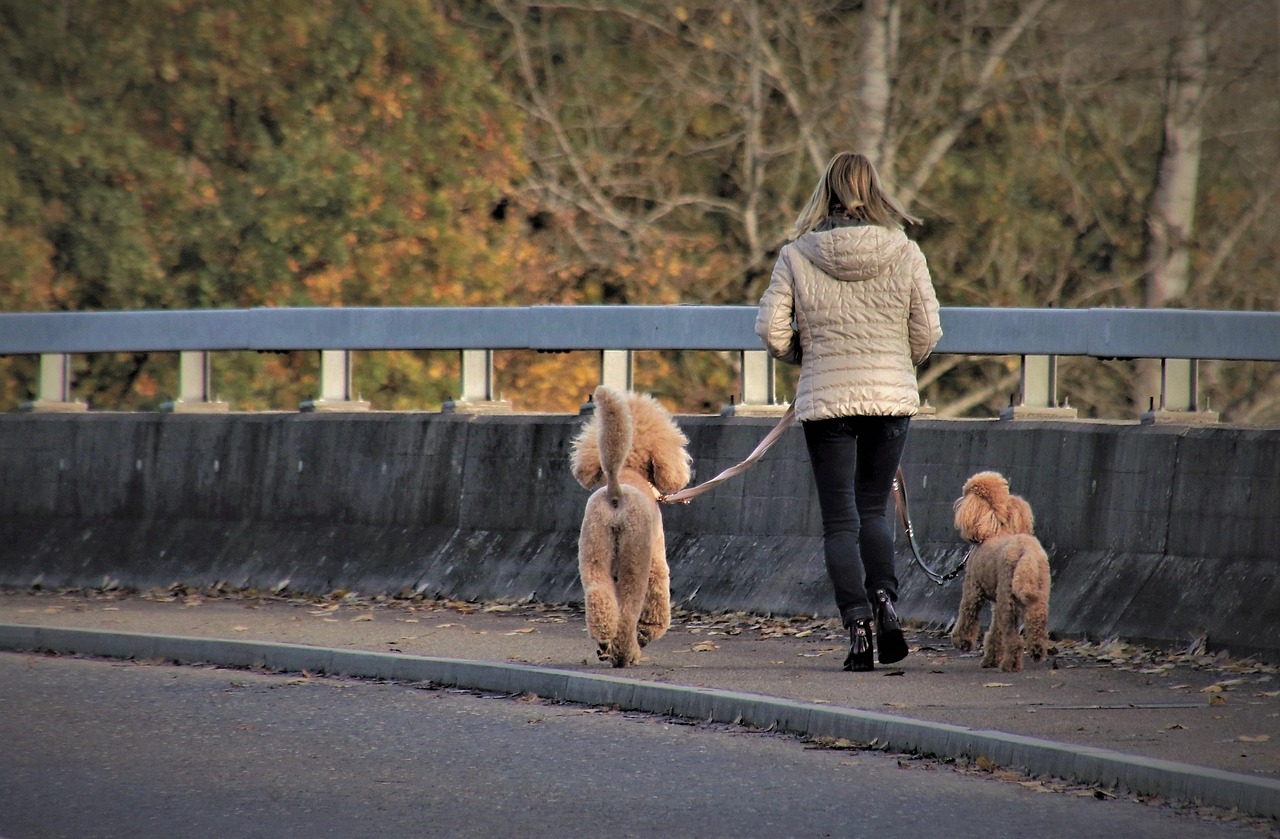
Leash pulling is another frequent trigger. A well‑trained dog will naturally pause to sniff and explore, but constant tugging redirects its focus and can increase anxiety. Allowing the pet to lead at times gives it the chance to investigate its surroundings without pressure.
Related: Experts Warn Pets About Kiwifruit Risks
Finally, saying “it’s okay” before a stressful event—such as a trip to the groomer—can unintentionally become a warning cue. The phrase may signal impending discomfort, raising the dog’s nervousness rather than soothing it.
Simple Steps to Reduce Canine Stress
Providing ample exercise, mental stimulation, and regular affection are foundational. Daily walks, interactive play, and puzzle toys keep the mind engaged and release built‑up energy that might otherwise manifest as anxiety.
When leaving the house, give the dog a familiar scent, such as a worn t‑shirt, and a treat‑release toy.
Dietary adjustments, including probiotic supplements or fermented vegetables, support gut health and can lessen stress‑related gastrointestinal issues. Natural calming options such as lavender essential oil, Bach flower remedies, and probiotics are also mentioned as helpful.
Products that release calming pheromones, like Adaptil diffusers or collars, are widely used to create a soothing environment. When combined with consistent training, these aids can contribute to a more relaxed demeanor.
Related: Pet Health Insurance: What Is It And How Much Does It Cost?
For many owners, the challenge lies in recognizing the small, everyday actions that may be causing tension. A brief pause to reflect on how we interact with our pets can make a significant difference.
Routine matters.
While the list above offers practical tips, a broader perspective shows why these adjustments matter. Dogs rely heavily on routine and clear communication; disruptions to either can trigger heightened alertness, which, over time, may develop into chronic anxiety. By aligning human behavior with canine expectations, owners not only ease immediate stress but also support long‑term emotional resilience in their companions.
Ultimately, reducing a dog’s stress involves both awareness and consistency. Simple changes—avoiding prolonged eye contact, using uniform commands, and respecting the animal’s need to explore—create a more harmonious environment. As owners adopt these habits, they often notice a calmer, more confident pet, reinforcing the cycle of positive interaction.


