
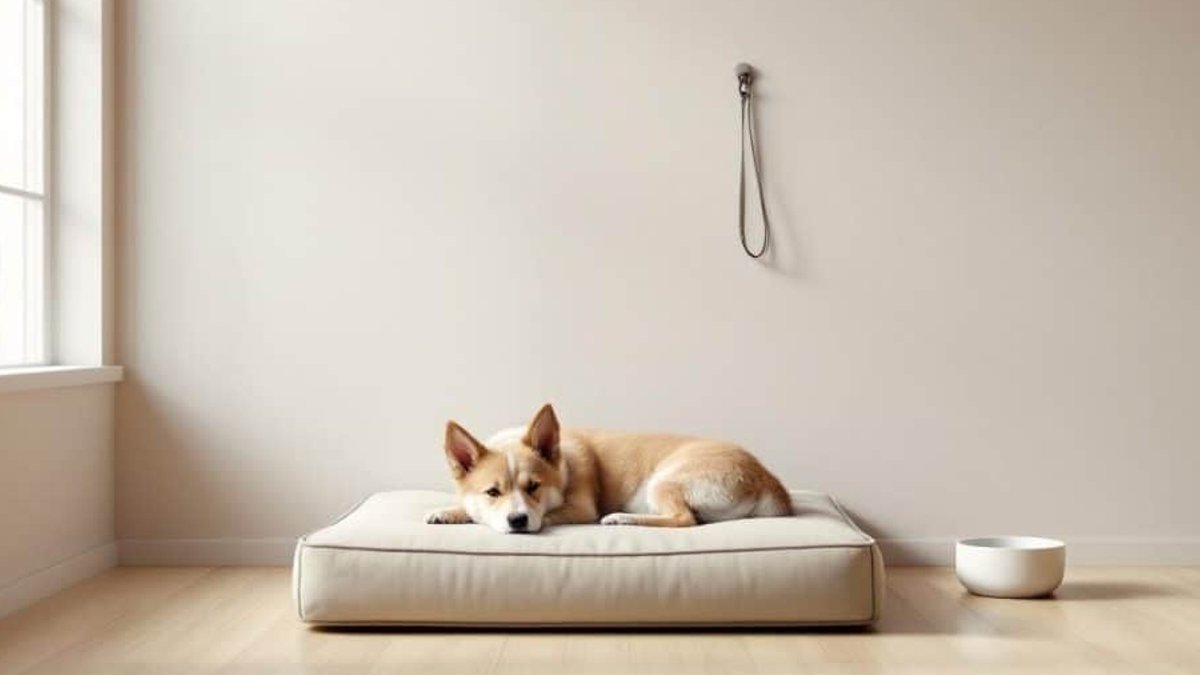
Adopting a minimalist dog lifestyle can reshape both a pet’s wellbeing and the owner’s daily routine, according to recent observations from a popular canine‑focused outlet.
What the minimalist approach actually means
The concept is not about depriving a dog of comfort but about trimming away unnecessary items that add little value. Core needs remain the same: regular meals, safe shelter, grooming basics, and consistent human interaction. The article notes that more than 250,000 dogs registered with the Royal Kennel Club each year thrive without a surplus of gadgets or toys.
Quality trumps quantity. A single sturdy chew toy often outperforms a collection of cheap alternatives that quickly become waste. Likewise, premium dog food, though pricier at the shelf, can lower long‑term veterinary costs by providing better nutrition than low‑cost formulas laden with fillers.
Practical steps for decluttering
One suggested rule is simple: if a dog item hasn’t been used in two years, discard it. Multi‑purpose gear, such as a washable bed with a spare, replaces several decorative pieces while keeping costs down. The essential list includes a collar, harness, leash, grooming tools, medication, waste bags, food and water bowls, and one or two durable toys.
Related: BioCraft Publishes Pet Food Safety Report
Owners are advised to rotate a limited set of toys weekly, maintaining novelty without continual purchases. A single training clicker can replace a range of specialized tools, keeping training sessions focused and free of clutter.
Creating a calm home environment
For many owners, the shift to a minimalist routine feels like a subtle rebalancing rather than a dramatic overhaul. By focusing on predictable walks, consistent training, and a tidy living space, the bond between human and pet often deepens as attention moves from managing possessions to shared experiences.
Transition typically spans one to two months as dogs adjust to new patterns and households settle into simplified habits. Expenses drop, decision fatigue eases, and the home becomes a more organized, peaceful place for both people and their canine companions.


