
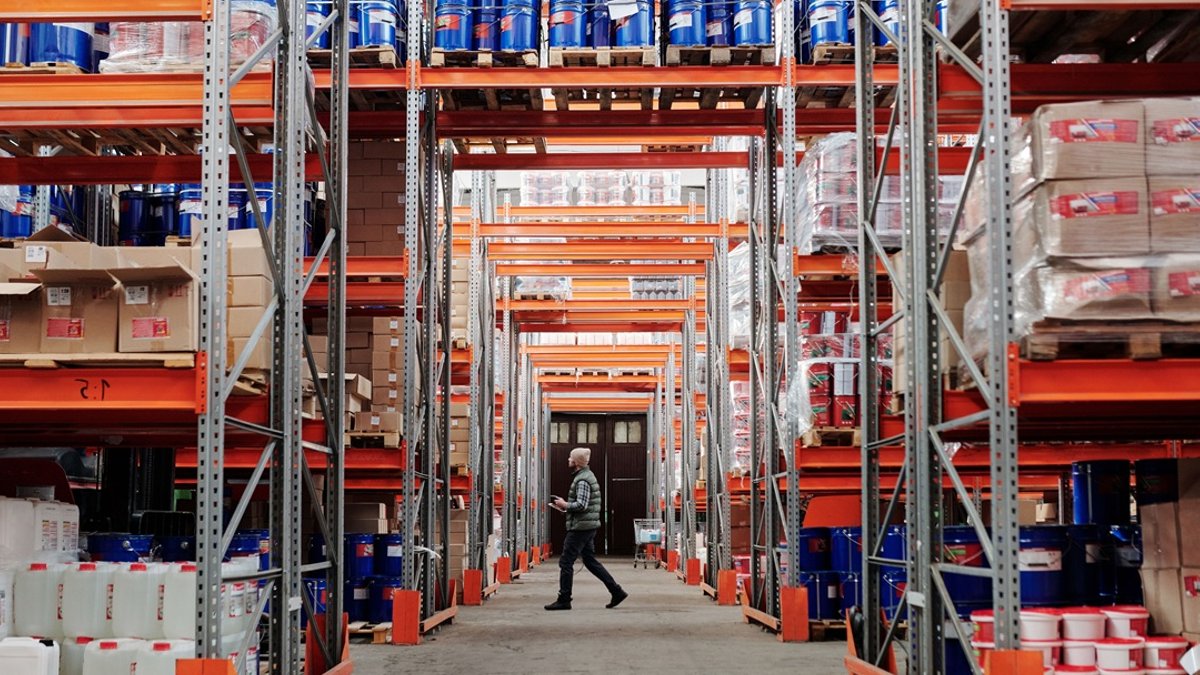
Retailers are experiencing tighter profit margins during this holiday season due to slower spending growth and rising labor costs. This situation is pushing them to cut waste in warehouse operations before Black Friday and Christmas. Dematic urges retailers to fix warehouse bottlenecks, starting with inventory visibility and labor planning. The company highlights that the six-week peak period from mid-November to Christmas Eve generated an estimated $72.4 billion in spending last year, up 4% on the previous year. Deloitte Access Economics forecasts retail turnover growth will ease to 1.8% in 2026, down from 2.3% last year.
Terry Jamieson, Business Development Manager at Dematic Australia, said the retailers that perform well over peak are usually those that start preparing months in advance. Common challenges include delayed deliveries, inaccurate inventory, slower click-and-collect fulfillment, and higher labor costs when warehouse systems come under pressure.
One major weakness is stock visibility. Many retailers still lack real-time inventory tracking across all sales channels, leaving them unable to confirm stock availability for same-day click-and-collect orders. Errors during peak season multiply quickly, damaging customer trust and increasing costs. Jamieson explains that hiring more casual staff alone rarely fixes the problem. Without optimized warehouse layouts, workflows, or management systems, additional labor often creates new bottlenecks rather than solving existing ones.
Black Friday and Cyber Monday trading is expected to grow at a similar rate this year, while the full post-Christmas week is forecast to reach close to $3.8 billion. With profit margins tightening, retailers must address inefficiencies in inventory visibility and labor planning before the holiday rush begins.


