
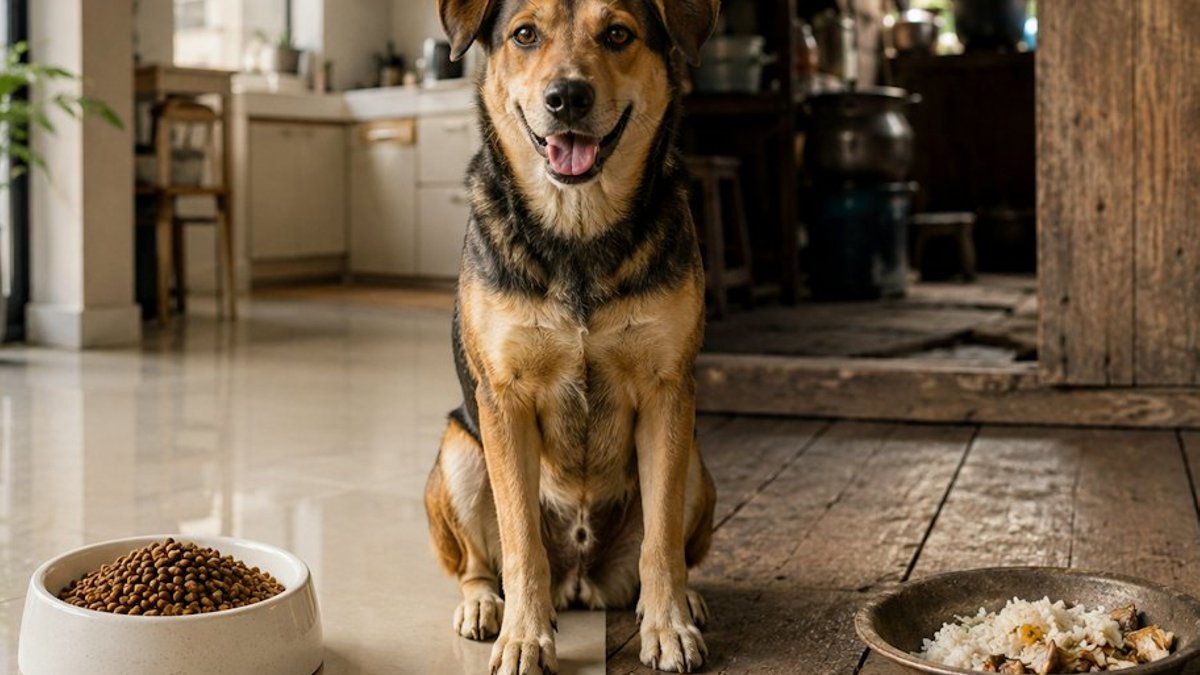
The proportion of pets in Southeast Asia receiving only table scraps has declined to between 35% and 45% in 2025, compared with 60% ten years earlier. Growing recognition of the hazards, excessive salt, spices, and seasonings in human food, has prompted even lower-income families to adopt commercial pet food to protect their animals’ health.
Data from the USDA Foreign Agricultural Service shows that in the Philippines, table scraps now make up less than 45% of pet diets. Urban centers like Metro Manila have seen this practice fall below 20%, though rural areas continue to depend on leftovers. A 2024 Kantar survey revealed a sharp rise in demand for budget dry kibble, aligning with 94% of households owning pets.
Thailand has experienced an even steeper reduction, with table scrap feeding now under 30% nationwide and approaching single digits in Bangkok. As the world’s second-largest exporter of pet food, Thailand has promoted specialized kibble and treats, replacing scraps with products designed for specific breeds and health requirements.
In Indonesia, table scraps still account for 40% of pet diets, but the trend is changing. Urban residents, especially cat owners, increasingly favor commercial food for better hygiene and nutrition. Online sales of cat food have risen by double-digit percentages, further cutting reliance on leftovers.
Among Vietnamese households with pets, about 35% still give leftovers, but this is expected to decrease further as younger pet owners opt for commercial pet food.
Three main factors explain this transition: pets are now viewed as companions instead of working animals, affordable local and imported kibble has replaced expensive imports, and owners now prioritize nutrition over ease. Market analysts highlight that affordable, long-lasting kibble, often cheaper than preparing extra meals, has become the standard choice for working-class families.
On a global scale, table scrap feeding has fallen from 22% to 19%, with Southeast Asia narrowing the gap with Western practices. This regional shift mirrors broader trends: pet owners increasingly treat animals as family members rather than tools, and commercial food is now seen as safer and more practical.
Regional pet food manufacturers have capitalized on this demand, expanding production lines to meet rising consumer preferences. The shift has also encouraged innovation in packaging and distribution, particularly in countries where refrigeration remains limited.


