
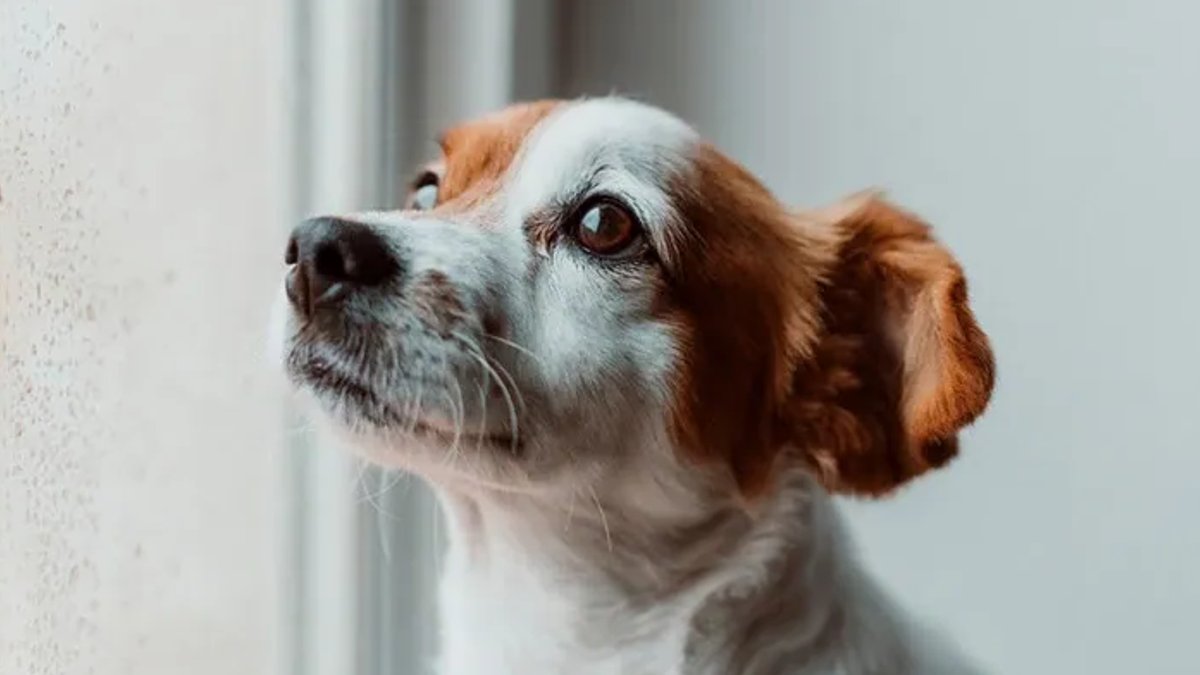
Storm-phobic dogs experience a severe, disproportionate fear response to thunderstorms, a condition that can quickly escalate from mild anxiety to terror. While cats often hide away, dogs tend to display obvious, distressing behaviors that require intervention. The condition is rooted in a combination of genetics and environmental factors, where a negative experience or exposure to a fearful animal can reinforce the phobia. Even when the weather seems calm to a human, a storm-phobic dog can sense changes in barometric pressure or smell atmospheric shifts long before the storm arrives. [1] Helping pets cope with storm anxiety
Triggers and Physical Symptoms
A dog’s reaction to a storm is rarely just about the noise. Triggers include the boom of thunder, the crack of lightning, the sound of wind, pouring rain, and darkening skies. Dogs often react to subtle changes in the environment, such as a drop in barometric pressure. Some experts suggest that static electricity buildup during a storm may also play a role, as dogs instinctively seek out grounded areas like sinks or bathtubs to shield themselves from these charges.
The physical signs of this anxiety are difficult to miss. Symptoms include dilated pupils, drooling, rapid heartbeat, panting, pacing, trembling, potty accidents, and destructive behavior. Studies indicate that the stress response can cause plasma cortisol levels to jump over 200% during a storm, confirming the physiological impact of the fear.
The coping strategies a dog learns in one room of the house often fail in another, meaning a desensitization program must be practiced consistently across different environments. It is also important to note that a dog’s fear can worsen over time, especially if a specific storm included a particularly loud noise or a painful static shock. Because the symptoms are so visible, the situation is stressful for the entire family.
However, there are structured approaches to managing the condition that focus on creating a safe environment and using non-pharmaceutical tools to help the animal cope. For instance, one peculiarity of thunderstorm phobia is it often escalates, where dogs that have been mild to moderately upset by storms can suddenly experience a significant increase in anxiety, often linked to a particularly severe storm and perhaps a static electric shock.
Creating a Safe Environment
The first step is establishing a safe spot, an interior room with few or no windows where the dog can retreat. This area should be stocked with a crate, bedding, water, and treats. Keeping the lights on and playing calming music or a TV can help muffle the sounds of the storm. Spending positive time in this room when the weather is clear helps the dog associate the space with safety rather than fear.
Related: Helping pets cope with storm anxiety
If the dog has access to this safe spot at all times, it may be enough to reduce panic during severe weather. You may also want to place a grounding mat in this environment to help, as many storm-phobic dogs seem driven to find areas where electrical grounds can protect them from static charges.
Behavioral interventions are often necessary for dogs with intense phobias. Distraction techniques, such as rewarding the dog for performing known commands or tricks, can redirect their focus away from the storm. Nose work and treat-release toys can also be effective. For more severe cases, desensitization involves exposing the dog to recorded storm sounds during calm periods to “immunize” them against the trigger.
Counterconditioning pairs the sound of thunder with high-value treats to create a positive association. These methods require patience and consistency, as the dog must learn to tolerate the noise in a controlled setting before applying the skill during an actual storm. You can also try distraction using a fun game, treat-release toy or recreational bone to chew on. Use your dog’s natural senses to divert his attention or have fun with Dr. Sophia Yin’s Treat&Train.
Using Natural Remedies
When a storm is imminent, natural remedies can provide immediate relief. Techniques like TTouch massage or Emotional Freedom Techniques (EFT) may help calm the animal’s nervous system. An anxiety wrap, often made from an ace bandage or a commercially available stress coat, can provide gentle pressure that soothes anxiety. Pheromone diffusers, such as Adaptil, release chemical signals that can positively influence a pet’s emotional state. Holistic veterinarians may also recommend homeopathic options like Calm Shen or Bach Flower Remedies, as well as nutraceuticals containing ingredients like valerian, chamomile, or GABA. CBD oil may also help, and products commonly used include Calm Shen, homeopathic aconitum or Hyland’s Calms Forte, Rescue Remedy, or other similar remedies depending on your pet’s symptoms.
While the temptation to use pharmaceutical drugs is understandable, medication is generally considered a last resort. The FDA has issued warnings regarding drugs like Sileo, a noise aversion medication, highlighting potential risks associated with sedation and side effects. Since the condition can often be managed with environmental changes and natural therapies, consulting a holistic veterinarian is usually the safer first step to finding a long-term solution without the risks of pharmaceutical intervention.
Calming nutraceuticals and herbs known to be helpful include holy basil (Tulsi), valerian, l-theanine, rhodiola, ashwagandha, GABA, 5-HTP and chamomile. Consult your holistic vet about which option is right for your pet. Applied Zoopharmacognosy can also be beneficial. One thing that’s rarely recommended is medicating an anxious or fearful dog, and an FDA warning about Sileo is one of the many reasons pharmaceuticals are best avoided whenever possible, especially for problems that can be successfully treated with natural therapies.


