
Australia is facing an ongoing outbreak of avian influenza, commonly known as bird flu. The virus is spreading among wild bird populations and has been detected in parts of New South Wales. Pet owners are asking what this means for their dogs, cats, and backyard poultry. The risk for most domestic animals remains low, but exposure can occur through contact with infected birds or contaminated environments. Understanding how to limit this contact is essential for keeping pets safe.
Prevent Contact With Sick Or Dead Birds
The most critical step is preventing animals from approaching wild birds that appear ill or have died. Dogs and cats are naturally curious and may investigate a dead bird by sniffing or biting it. This behavior creates an opportunity for the virus to spread. If a dead or sick bird is found, owners should keep their pets away and avoid handling the animal themselves. In New South Wales, the public can report these sightings to the relevant authorities, which helps reduce the overall risk.
Owners should also be aware that backyard flocks require protection. Chickens, ducks, and aviary birds should be kept separate from wild birds. This includes preventing wild birds from accessing feed and water containers. Feed and water dishes must be kept clean. Owners should also practice good hygiene by washing their hands after handling birds and cleaning any equipment or footwear that may have been exposed to the area.
Cats Face Higher Exposure Risks
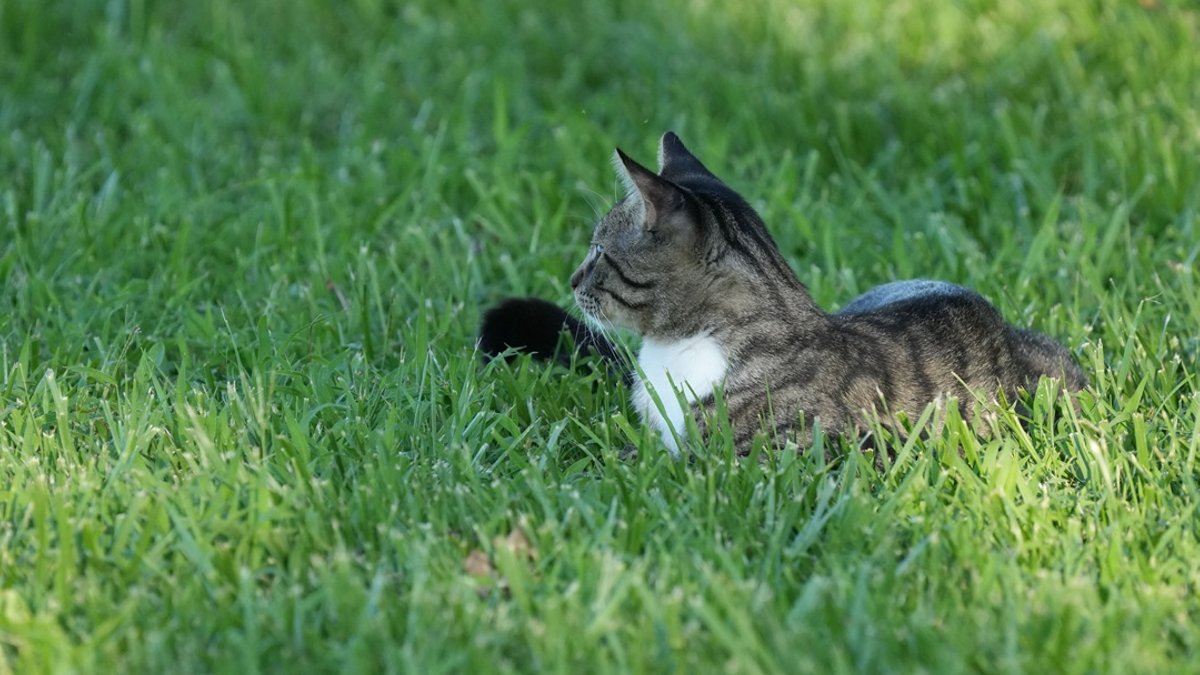
Outdoor cats have a higher risk of exposure because of their hunting habits. These animals may encounter wild birds while stalking prey. While not every outdoor cat is at significant risk, reducing hunting opportunities is a sensible precaution. Cats should be kept in enclosed cat runs or provided with secure outdoor spaces. In areas where bird flu has been detected, keeping cats indoors or restricting their roaming helps limit their contact with wild birds.
For dogs, keeping them on a lead in areas where sick or dead birds have been reported is a helpful measure. This prevents the animal from investigating or consuming the bird. Reducing scavenging behavior is important because dogs may also pick up food scraps from contaminated ground. By managing how pets interact with wildlife, owners can lower the chances of disease transmission while still allowing their animals time outdoors.
Recognize Symptoms And Seek Help
Owners need to be alert to unusual changes in their pet’s health, especially if the animal has had contact with a sick or dead bird. Symptoms can include respiratory problems, lethargy, loss of appetite, and neurological issues. These signs may also indicate other conditions, so owners should not assume the pet has bird flu. If an animal becomes unwell after a possible exposure, contacting a veterinarian is necessary. The vet can assess the animal and advise on appropriate next steps.
Veterinary teams can help distinguish between bird flu and other illnesses. They can provide guidance on treatment and testing. Owners should avoid trying to induce vomiting or treating the animal themselves if it has eaten a dead bird. Prompt professional advice is the safest course of action. Following the recommendations of veterinary experts ensures the animal receives the correct care if exposure occurs.
Follow Official Guidance
For most households, a few practical changes to pet routines can significantly reduce unnecessary exposure. The focus should be on keeping animals away from sick wildlife and maintaining good hygiene around domestic birds. Pet owners should also follow the advice provided by Australian biosecurity and animal health authorities. Staying informed about local cases helps owners adjust their precautions accordingly.


