
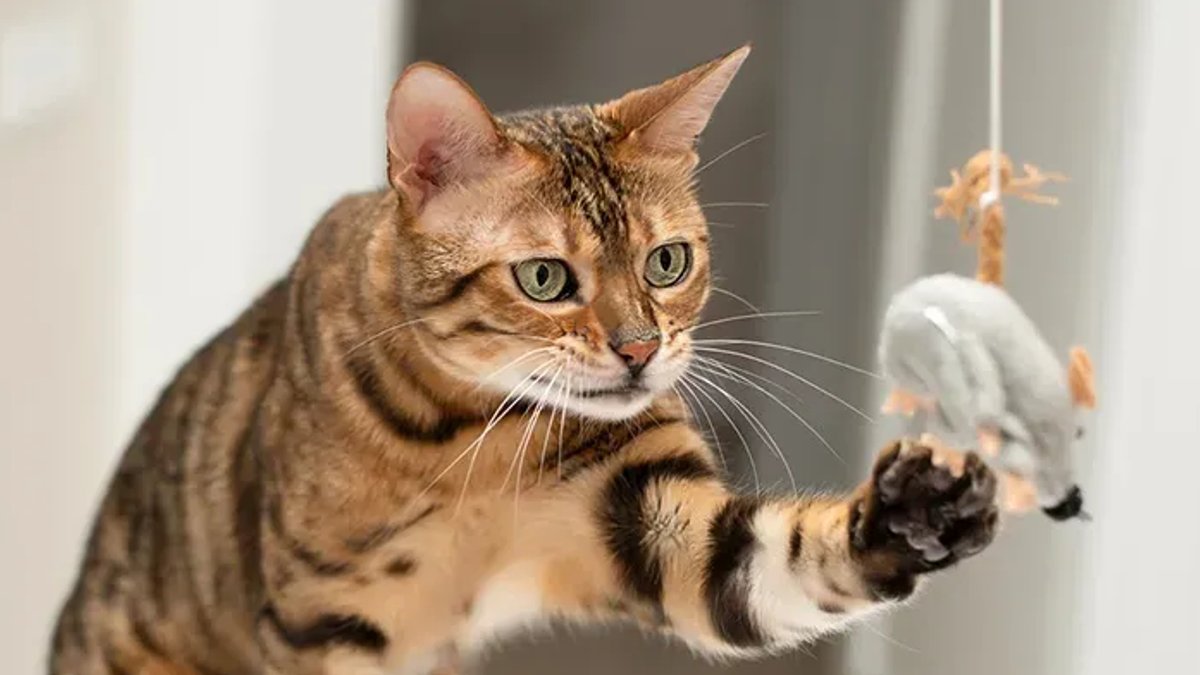
Your house cat might be closer to its wild ancestors than you realize. Domestic felines share a remarkable number of traits with big cats like lions and tigers, from hunting instincts to territorial behaviors. Understanding these connections can change how you think about the cat sleeping on your couch.
A Self-Domesticated Predator
House cats descended from the African wildcat, a species that still roams parts of Africa and the Middle East. Unlike dogs, which changed dramatically through centuries of selective breeding, cats remain surprisingly similar to their wild relatives. Scientists believe cats largely domesticated themselves around 10,000 years ago when people began storing grain. The stored grain attracted mice and rats, and wildcats came to hunt these pests. The cats most comfortable around humans had the best access to food, and over many generations, those tolerant of human presence stayed nearby and became the domestic cats we know today.
Related: Urgent Brain Function Alert for Beloved Pets
What House Cats and Big Cats Have in Common
Both domestic and wild cats are obligate carnivores. Their short digestive tracts are designed to break down protein and fat quickly, and their systems struggle to process plant matter. That crouch-and-pounce move your cat makes isn’t just a cute quirk. It’s a deeply ingrained hunting instinct. Even when food is always available in a bowl, cats remain motivated to stalk, wait, and pounce because they find the activity itself rewarding. Both big cats and house cats spend time watching and waiting, practicing the skills needed to make a successful strike.
The next time your cat rubs against your leg, know that they are doing the same thing a tiger does when it rubs against a tree. Cats deposit scent from glands on their body when they rub against something, marking it as their territory. A cat’s nose is up to 14 times more sensitive than a human’s, allowing it to pick up scent trails left behind by other animals or carried through the air. That sense of smell also helps cats gather personal information, such as whether a nearby cat is looking for a mate or guarding its territory.
Cats of all sizes are most active around dawn and dusk, which helps explain those late-night hallway sprints. This taps into your cat’s natural hunting instincts.
Related: Adoption fees cover animal care costs
Giving your cat a quiet space to retreat to can help reduce stress and support their overall well-being. That said, cats of all sizes still make time to play. Wild cubs wrestle with their littermates and stalk one another to practice social and hunting skills, and your cat chasing a feather wand is doing much the same thing.
Supporting Your Cat’s Wild Instincts
Many of the same approaches used to keep big cats healthy in captivity can help support the physical and mental well-being of domestic cats. Instead of leaving a full bowl out all day, try a slow feeder or hide small amounts of food around the house. This taps into your cat’s natural hunting instinct, keeps mealtime more interesting, and can help manage their weight. Shelves, window perches, and a cat tree give cats room to climb and survey their space, satisfying that instinct to explore and patrol even in a small apartment.
Related: Can your pets safely eat strawberries
Puzzle feeders, scent trails, and rotating toys give cats the kind of mental enrichment their instincts are still asking for. Big cats in zoos need similar stimulation to stay well. These enrichment activities aren’t just entertainment. They serve a real purpose in keeping cats mentally sharp and physically engaged.
For most cat owners, recognizing these wild traits means rethinking what a house cat actually needs. The typical image of a lazy cat content with a full food bowl and a sunny windowsill misses something important. Underneath that purring exterior is an animal still wired for the hunt. Whether your cat is stalking a toy mouse or simply watching birds from a perch, those behaviors connect directly to survival strategies that have served felines for thousands of years. That connection to the wild hasn’t disappeared. It has simply adapted to life indoors.


