
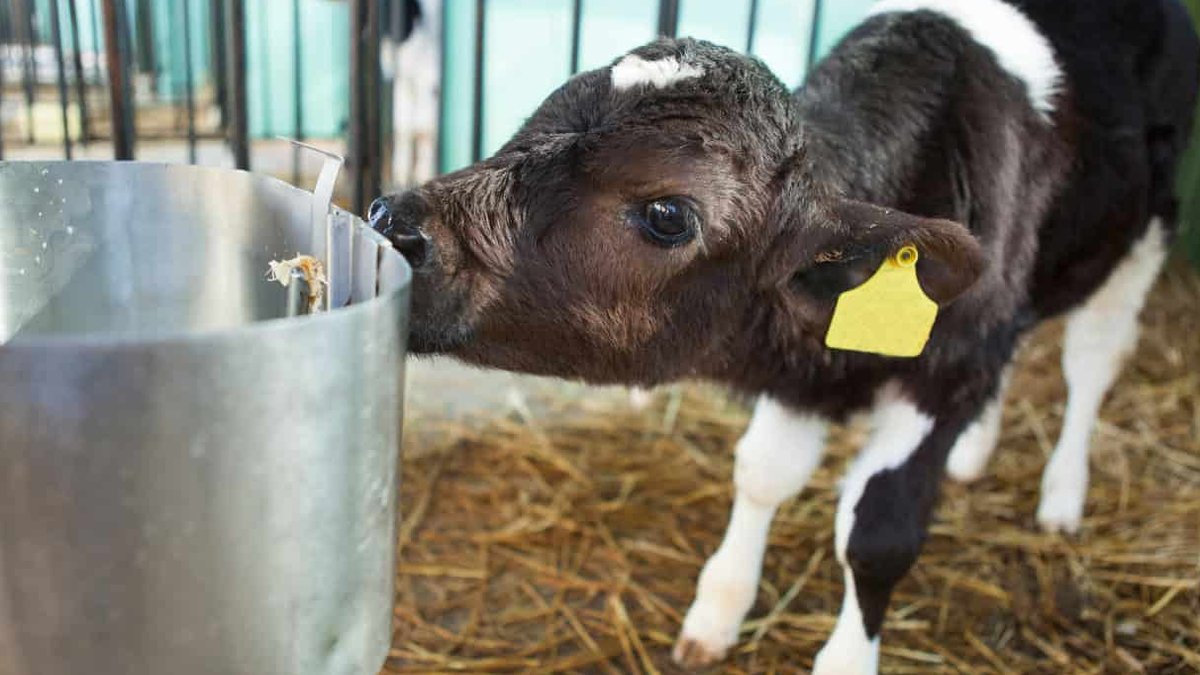
Brittany Ferries said it will cease carrying live farmed animals, such as young calves, on its Ireland-France routes no later than September 2026. This move comes after more than a year of campaigning by the animal-welfare groups across Europe.
These organisations, including Compassion in World Farming and Four Paws, have been protesting the transportation of live animals, particularly unweaned calves, due to concerns about their welfare. They have been criticising the practice because of the potential harm it causes to the animals.
Brittany Ferries had previously stopped carrying farmed animals for slaughter in 1994 and stayed out of the live animal transport trade for nearly 30 years. However, in February 2025, the company announced it would start transporting live animals again, mainly on the route between Rosslare, Ireland, and Cherbourg, France. Most of the transported animals were calves, many of which were just two weeks old and had not been weaned yet.
This meant they still needed their mother’s milk to survive, and the journey could be particularly stressful for them. The calves were vulnerable to stress and dehydration due to their young age and the lack of their mother’s milk during transport.
Animal welfare groups criticised the decision, citing concerns about the treatment of the calves during transport. Over 120 scientists, celebrities, and experts signed a letter asking Brittany Ferries to change its mind, but the company did not listen. They were concerned that the transportation of live animals, especially unweaned calves, was inhumane and caused unnecessary suffering.
In 2025 alone, more than 220,000 calves were transported on ships from Ireland to France. The trip can take around 18 hours by sea, and many calves were then driven onward to other countries, with journeys lasting up to 50 hours in total. This prolonged journey was a major concern for animal welfare organisations, as it increased the risk of stress, dehydration, and illness among the calves.
EU law requires that animals this young must be fed at least once every 9 hours, but undercover footage by animal welfare organisations showed that this did not always happen. Without food, calves can become weak, dehydrated, and stressed. The failure to provide adequate food and care during transport was a serious concern for animal welfare groups.
With Brittany Ferries leaving the trade, Irish Ferries will become the only ferry company transporting live farmed animals on the Ireland-France route. Animal welfare organisations are now calling on Irish Ferries to make the same decision, citing the results of a survey that found 82% of people in the European Union are concerned about the transport of very young animals. They are urging Irish Ferries to reconsider its policy on live animal transport and prioritize animal welfare.
A similar ban on the export of live animals for slaughter and fattening was implemented in Great Britain in 2024, citing animal welfare concerns. The decision by Brittany Ferries may put pressure on other companies to reconsider their policies on live animal transport. It may also lead to a shift in the industry’s approach to animal welfare and transportation practices.


