
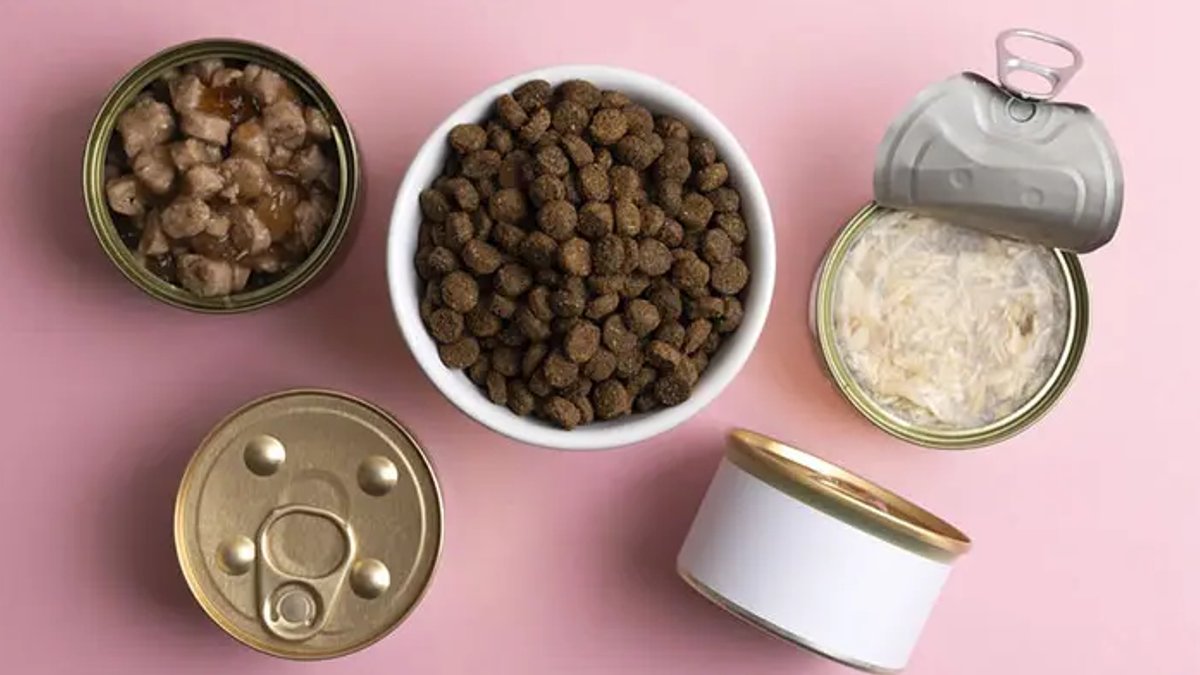
The commercial pet food industry originated from convenience rather than nutrition. What started as a way to use human food waste has become the standard diet for most dogs and cats in the U.S. Evidence suggests processed kibble and canned foods may contribute to chronic health problems in pets.
From table scraps to industrial waste
Before the 1920s, pets ate what their owners did: raw meat, table scraps, and whatever they could hunt. The first commercial pet foods were simple dog biscuits, but the Great Depression and World War II changed the setting. Metal rationing ended the canned pet food industry, while food shortages made dry kibble—cheap, shelf-stable, and easy to produce—the main option.
By the 1950s, manufacturers saw potential in the waste generated by the growing processed food industry. Rendering plants converted slaughterhouse scraps, expired grains, restaurant grease, and even roadkill into raw materials for pet food. The extrusion process, developed in the late 1950s, allowed companies to mass-produce kibble from these ingredients, combined with starch fillers and synthetic vitamins to replace nutrients lost during high-temperature processing.
Most commercial pet foods still rely on these methods. The industry’s supply chain depends on recycling waste that would otherwise be discarded, which does not provide an ideal nutritional foundation.
Toxic byproducts and unsuitable diets
The extrusion process cooks ingredients at high temperatures, creating advanced glycation end-products and heterocyclic amines. These compounds are linked to inflammation and cellular damage in humans. While research on their effects in pets remains limited, observations suggest fresh diets may offer benefits for dogs and cats.
Related: Dog Rescues and Breeds Shape Headlines
Dogs and cats are carnivores, biologically designed to thrive on meat, organs, and bones. Yet most commercial pet foods contain grains, fillers, and heavily processed ingredients. Corn, wheat, rice, and potatoes—common in kibble—offer little nutritional value to animals lacking the digestive enzymes to break them down efficiently.
The move away from fresh food happened gradually. It mirrored changes in human diets after World War II, when convenience foods became popular. Pet food companies followed this trend, marketing dry kibble as the modern, hassle-free way to feed pets. By the 1960s, mass-produced pet food was standard, and today, few owners question whether it’s the best choice.
The pattern isn’t unique. The rise of processed human foods in the mid-20th century followed a similar path—cheap, shelf-stable products that filled stomachs but often lacked essential nutrients. The difference is that humans can read labels, ask questions, and choose alternatives. Pets cannot.
The resilience—and limits—of pets
Dogs and cats adapt well. They don’t suffer immediate harm from kibble, and many live long lives on commercial diets. However, the damage builds over time. Nothing will change about the quality of commercial pet food until studies are conducted that prove what has long been observed about the benefits of fresh diets for dogs and cats.
Pet food regulations are weak. The Association of American Feed Control Officials sets nutritional standards, but these focus on minimum requirements to prevent deficiency diseases, not optimal health. Ingredients like “meat meal” or “animal byproducts” can legally include rendered roadkill, euthanized pets, and diseased livestock—materials unfit for human consumption.
Related: Dog Owners Get New Apartment Living Tips
Long-term studies on the health effects of processed pet foods are not required. Unlike pharmaceuticals, which undergo rigorous testing, pet food manufacturers can introduce new formulas with little oversight. If a diet causes kidney failure in 10% of dogs over a decade, no system exists to track or address it.
What a proper diet looks like
Some veterinarians recommend a mix of raw or gently cooked meat, organs, bones, and small amounts of vegetables and fruits. These mimic the nutrient profile of whole prey, providing moisture, protein, and natural fats without fillers or synthetic additives. Some owners prepare meals at home, while others choose commercially available raw or gently cooked frozen diets.
Opponents argue that raw diets carry risks, including bacterial contamination and nutritional imbalances if not properly formulated. Supporters counter that commercial kibble isn’t risk-free either—recalls for salmonella, mold toxins, and vitamin deficiencies occur regularly. The main difference is that raw diets use whole, unprocessed ingredients, while kibble relies on industrial byproducts and chemical fortification.
For now, the choice balances convenience against health. Kibble is easy, doesn’t spoil, and is widely available. Yet as more owners wonder whether their pets are thriving or merely surviving, demand for better options increases. Whether the industry will change remains uncertain.
Owners seeking ways to improve their pets’ well-being can find guidance on managing storm anxiety and other health concerns.


